Panic · 8 min read
The 6 things behind a panic attack (and how to walk through one)
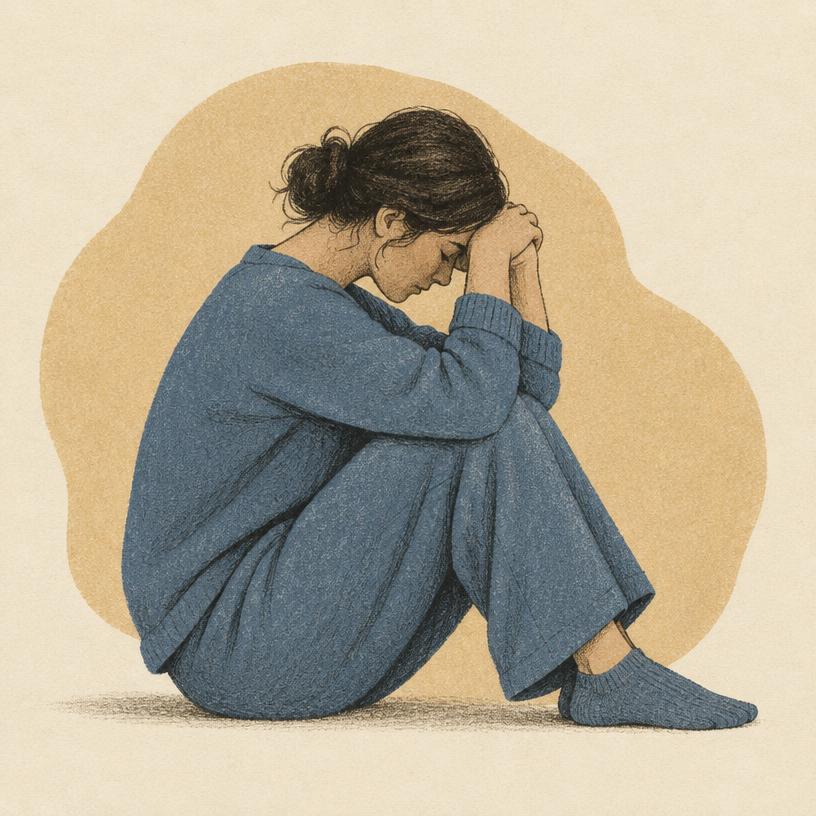
Panic attacks can feel like dying, going mad or losing control. They're terrifying — and they're also understandable. Here are six things happening behind a panic attack, and how to walk through one.
1. A false alarm
Your brain's threat detector fires as though you're in danger, even when you're sitting still. The alarm is real; the danger usually isn't.
2. A rush of adrenaline
Adrenaline floods your body within seconds. Your heart pounds, you might sweat or shake. A healthy heart is built to do this.
3. Over-breathing
Breathing speeds up, which can cause tingling, dizziness and the feeling you can't get enough air. It's a known effect of breathing too fast, not a sign of suffocating.
4. Catastrophic thoughts
"I'm having a heart attack." "I'm going to faint." The mind tries to explain the sensations and picks the scariest option, which turns the alarm up further.
5. Fighting it
Trying desperately to make it stop often feeds the panic. Letting the wave rise and fall tends to shorten it.
6. It passes
Panic attacks usually peak within about ten minutes and then fade. Your body can't stay at full alarm forever.
Walking through one
Go one step at a time:
- Say to yourself: "This is panic. It is uncomfortable, and it will pass."
- Plant your feet and notice the floor.
- Breathe out slowly, as if through a straw — the out-breath matters most.
- Name three things you can see.
- Let the wave come. Don't fight it. Wait.
How Stay With Me helps
Stay With Me gives you one instruction at a time and asks how you're doing — better, same or worse — and changes its next step to fit. You don't have to remember anything.
Please check new symptoms
If chest pain or other symptoms are new, severe or different from usual, get medical help. It's always okay to check.
Sources and further reading
- NHS — Panic disorder
- NHS — Breathing exercises for stress
- Harvard Health — Understanding the stress response
This article is general information, not medical advice. If you're worried about your health, talk to a doctor.
Keep reading

Panic · 8 min
Waking in Panic at Night: What It Means and What Can Help
Waking with a racing heart can make bedtime feel frightening. Learn about night-time panic, a gentler plan for the next night, and when to seek more support.
Read article
Panic · 9 min
Fear of another panic attack: when going out feels difficult
Afraid of having a panic attack away from home? Understand the fear of fear, ease avoidance gently, and plan small outings without demanding instant calm.
Read article